What Is a Mini Split Heat Pump?

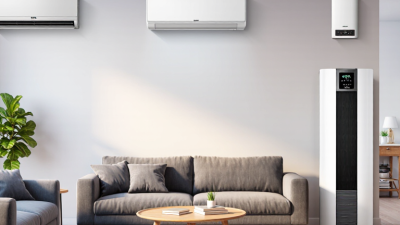
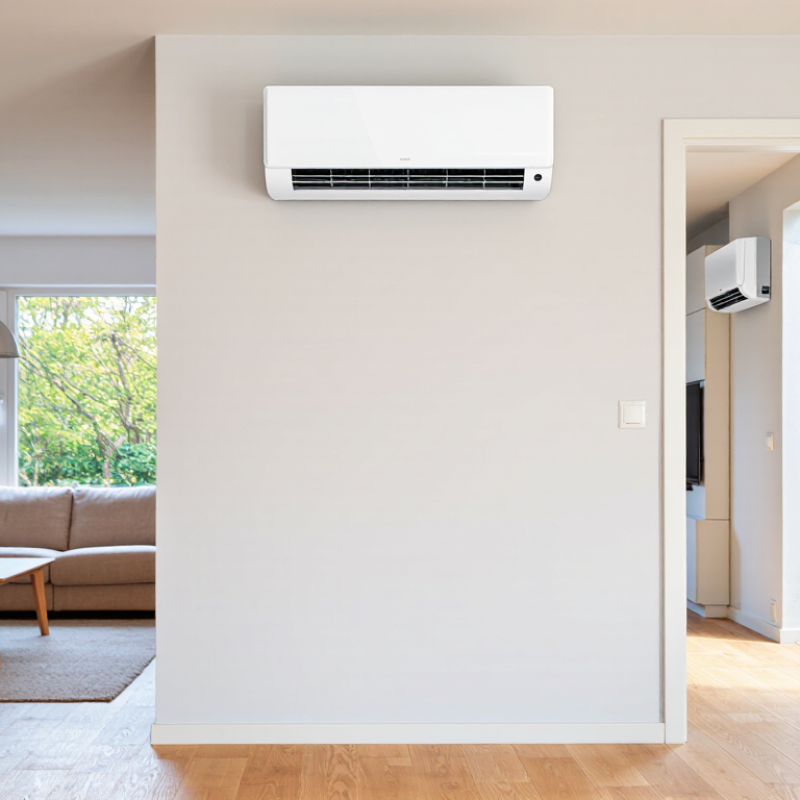
A mini split heat pump moves heat rather than generating it through direct combustion. Its outdoor unit connects to one or more indoor air handlers through refrigerant lines, often avoiding the need for ductwork. In winter, it draws heat from outdoor air and transfers it indoors; in summer, the process reverses. A quiet indoor unit above a living-room doorway is a familiar example, though systems also come in floor-mounted designs. The U.S. Department of Energy’s Energy Saver guidance says air-source heat pumps can reduce heating electricity use by about 50% compared with electric resistance heating. The International Energy Agency’s 2022 report, The Future of Heat Pumps, notes that heat pumps can be three to five times more energy-efficient than gas boilers under typical conditions. These figures describe potential performance, not a guaranteed household result.

That distinction matters. A mini split heat pump may suit a room addition, a small home, or a house without existing ducts, but performance depends on climate, sizing, installation, and insulation. A properly selected cold-climate model can provide useful heat in low temperatures; still, its output and efficiency may change as outdoor temperatures fall. Placement matters, too: a blocked filter or poorly positioned air handler can leave one corner chilly while another feels comfortable. Electricity rates and backup heating can also affect real-world costs. Not automatic. This guide explains how mini split systems work, what their components do, and which practical questions to ask before choosing one. It also considers a limitation homeowners sometimes overlook: efficient equipment cannot fully compensate for a drafty room or a careless installation.
What Is a Mini Split Heat Pump?

What a Mini Split Heat Pump Is

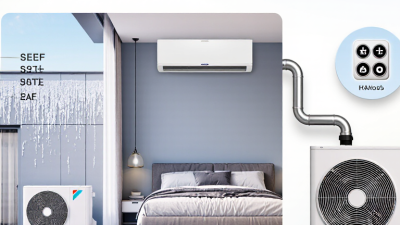
A mini split heat pump is a heating and cooling system with an outdoor unit connected to one or more indoor units by refrigerant lines. Unlike a traditional central system, it usually does not rely on ducts to move air through the home. A narrow opening in an exterior wall carries the lines and wiring; an indoor unit may hang high on a bedroom wall.

The system moves heat rather than creating it by burning fuel. In cooling mode, it draws heat from indoor air and transfers it outdoors. In heating mode, it reverses that process, drawing available heat from outside air and delivering it inside. No furnace flame. A fan in the indoor unit circulates air, while a remote control lets occupants adjust the temperature in that room. Multiple indoor units can serve separate areas, allowing different settings in different rooms.

“Ductless” does not mean maintenance-free. Filters need regular cleaning, and the outdoor unit needs clear airflow, especially after leaves or snow collect nearby. The phrase can make installation sound simple, but correct sizing, line routing, drainage, and placement all matter. In very cold weather, heating performance varies by equipment and conditions, so some homes may need another heat source. A wall unit can also be noticeable or create a gentle fan sound. Details matter.

What Is a Mini-Split Heat Pump?

A mini-split heat pump transfers heat between the outdoors and a room using an outdoor unit and one or more indoor units, without requiring ductwork.

Illustrative heating example: 1 kWh of electricity plus 2 kWh of heat absorbed from outdoor air delivers 3 kWh of heat indoors (COP 3). Actual performance varies with conditions, including outdoor temperature and equipment operation.

The Main Components of a Mini Split System

What Is a Mini Split Heat Pump?
The Main Components of a Mini Split System

A mini split heat pump transfers heat between indoors and outdoors without using ductwork. Its parts work together to provide heating or cooling. The outdoor unit contains a compressor and a coil that exchanges heat with the outside air. In heating mode, the system draws heat from outdoor air, even when it feels cold, and moves it inside. The process reverses for cooling.

Inside, a wall-mounted air handler holds a coil and fan. The coil releases or absorbs heat, while the fan circulates air across it and into the room. You may notice the louvers directing a steady stream along a wall. Placement matters: furniture, curtains, or a nearby doorway can affect airflow. A remote control or wall controller lets you adjust temperature and fan settings.

Refrigerant lines connect the indoor and outdoor units, carrying refrigerant between them. A small drain line removes moisture collected during cooling, while electrical and communication wiring powers the equipment and links its controls. The outdoor unit also needs space for airflow; leaves or packed snow can restrict it. Not every installation looks as tidy as a diagram. Line length, drainage, and unit placement require careful planning, so a qualified installer should assess the room and equipment specifications.

How a Mini Split Heat Pump Heats and Cools

What Is a Mini Split Heat Pump?

How a Mini Split Heat Pump Heats and Cools

A mini split heat pump moves heat rather than creating it directly. In cooling mode, the indoor coil absorbs heat from room air, and the outdoor unit releases it outside. A fan then sends cooler air back into the room. On a hot afternoon, you may feel this airflow near the wall-mounted indoor unit. The system uses refrigerant to carry heat between the indoor and outdoor units.

In heating mode, the refrigerant flow reverses. The outdoor coil draws heat from outside air, even when it feels chilly, and the indoor unit releases that heat indoors. The compressor helps move this energy. Cold weather can reduce heating output, so performance depends on the unit, outdoor temperature, and home conditions. It is not magic; a poorly sized system may leave a room uncomfortable.

Tips: Keep the indoor unit’s air path clear, and clean its filter as directed. Set a steady temperature instead of making frequent large changes. Notice drafts, uneven room temperatures, or unusual noises; these details can help a qualified technician assess the system. One small catch: room layout and insulation matter more than many people expect.

Common Types and Configurations

A mini split heat pump moves heat between indoors and outdoors through refrigerant lines, without requiring conventional ductwork. Its configuration affects comfort, installation, and room-by-room control. A single-zone system pairs one outdoor unit with one indoor head, often mounted high on a wall. It can suit an addition or one frequently used room. Multi-zone systems connect several indoor units to one outdoor unit, allowing different rooms to use separate settings. It depends. The layout still needs careful sizing and line routing.

Indoor units also come in floor-console, ceiling-cassette, and slim-ducted styles. A floor console can fit beneath a window; a cassette sits within a suitable ceiling cavity. Slim-ducted units serve rooms through short duct runs, but add design and installation considerations. The U.S. Department of Energy’s Energy Saver guidance says heat pumps can use about 50% less electricity for heating than electric resistance heating. Actual savings depend on climate, controls, and the existing system. That matters. For colder regions, the Northeast Energy Efficiency Partnerships’ Cold Climate Air-Source Heat Pump Specification evaluates performance at 5°F (-15°C), not just mild conditions. An installer should check low-temperature capacity and room loads; a multi-zone setup is not automatically the best fit for every home.

Where Mini Split Heat Pumps Are Used and What to Consider

Mini split heat pumps are useful where extending ductwork would be costly or disruptive. They commonly serve older homes, room additions, converted garages, and small offices. A wall-mounted indoor unit can condition a bedroom without changing the whole house. Some systems connect several indoor units to one outdoor unit, allowing separate temperature settings in different rooms.

They are not a perfect fit everywhere. A poorly sized unit may cycle frequently or struggle to keep a room comfortable. Ask a qualified installer to assess room area, insulation, window exposure, and local winter temperatures. In colder regions, check the system’s heating performance at low outdoor temperatures; ratings vary. The outdoor unit also needs stable space with clear airflow, while indoor placement affects drafts and noise. Short details matter. So does drainage: condensate needs a reliable path, especially during cooling. Electrical capacity and routine filter cleaning deserve attention, too. It is easy to focus on purchase price and overlook installation constraints. I would compare a few placement options before deciding, since a unit above a bed or desk can feel less comfortable than expected.

What Is a Mini Split Heat Pump? - Where Mini Split Heat Pumps Are Used and What to Consider

Topic What It Means Typical Uses or Considerations
What is a mini split heat pump? A ductless heating and cooling system that transfers heat between indoors and outdoors. It commonly has an outdoor unit connected to one or more indoor units. It can provide both heating and cooling. In heating mode, it moves heat from outdoor air indoors rather than generating heat through electric resistance.
Homes without existing ducts Indoor units deliver conditioned air directly to rooms, so a conventional duct network is not required. Often considered for older homes, additions, converted garages, and other spaces where installing ducts would be difficult or disruptive.
Room-by-room comfort A single-zone system serves one indoor area. A multi-zone system connects multiple indoor units to an outdoor unit, subject to system capacity and design. Useful when rooms have different schedules or comfort needs. Each zone can generally be controlled separately, but indoor units do not necessarily operate independently in every mode or configuration.
Supplemental heating or cooling A mini split can serve a specific room or addition while another system continues to condition the rest of the building. May suit a frequently used room that is uncomfortable, such as a home office or sunroom. Check how the new system will work alongside existing equipment.
Cold-weather performance Heating capacity and efficiency can change as outdoor temperatures fall. Available performance depends on the specific system and local conditions. For cold climates, check the unit’s published low-temperature capacity and operating limits, and determine whether backup heat is needed.
Sizing and placement Capacity should be selected for the building’s heating and cooling loads, not just its floor area. Insulation, windows, climate, and room layout all matter. An oversized or undersized system may not maintain comfort efficiently. Indoor-unit location also affects airflow, noise, and how evenly the room is conditioned.
Installation requirements Installation typically involves refrigerant piping, electrical connections, a condensate drain, and a suitable outdoor-unit location. Plan for wall penetrations, drainage, service access, outdoor-unit clearance, and applicable electrical, building, or permit requirements. Refrigerant work should be handled by qualified professionals.
Maintenance and operating costs Filters need regular cleaning or replacement, and the system should be inspected according to its maintenance instructions. Energy use depends on climate, electricity rates, system efficiency, building insulation, thermostat settings, and how much of the home is conditioned.