When July heat settles over the neighborhood, a struggling air conditioner shows it fast: weak airflow, longer run times, and warm air from the vents. A summer ac tune up can help catch small problems before they become uncomfortable—or costly. It is not a guarantee against breakdowns, though. That distinction matters.
The U.S. Department of Energy reports that air conditioning uses about 6% of the electricity produced in the United States, costing homeowners roughly $29 billion each year. Its Energy Saver guidance also notes that replacing a dirty filter can reduce an air conditioner’s energy consumption by 5% to 15%. Those figures make basic upkeep worth attention, but real savings depend on the system, filter, and home. A clogged filter is not the only cause of high bills.
HVAC educator Bryan Orr, founder of HVAC School, advocates preventive maintenance; paraphrased, his advice is to address system needs before peak-season trouble. That is practical advice, not a promise that every service visit will uncover a fault. The seven tips ahead focus on useful checks: filter condition, outdoor-unit clearance, thermostat settings, and signs that call for a qualified technician. Expect simple tasks, plus a few that are easy to overlook. A clean coil helps, but maintenance is not magic.
A clean air filter is a small part with a noticeable job. During a summer tune-up, switch off the system and check the filter before cooling season begins. Hold it toward a light; if dust blocks the view, airflow may be restricted.
The U.S. Department of Energy says replacing a dirty filter can reduce an air conditioner’s energy use by 5% to 15%. That is a meaningful range, not a guaranteed saving: results depend on the system, filter, and home.
Check monthly during heavy use, especially if you have pets, nearby construction, or a dusty room. Follow the equipment manual for the correct size and filter type; a filter that is too restrictive can also impede airflow.
Slide it in with the airflow arrow pointing toward the indoor unit. Make sure the slot closes snugly, with no gaps around the frame.
Dust tells a story. A filter can look clean at one glance and still need attention, so note the date and inspect it again. The DOE recommends checking filters monthly and replacing them when dirty, or at least every three months. A calendar reminder helps, though I would still trust the filter’s condition over a rigid schedule.

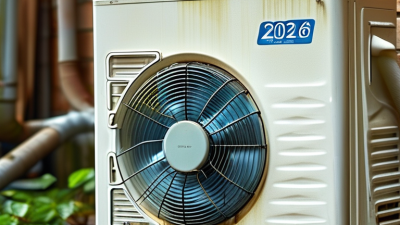
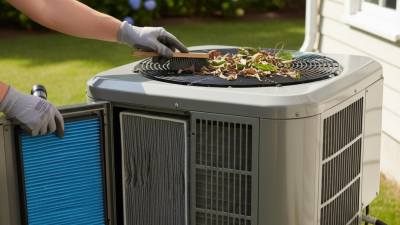
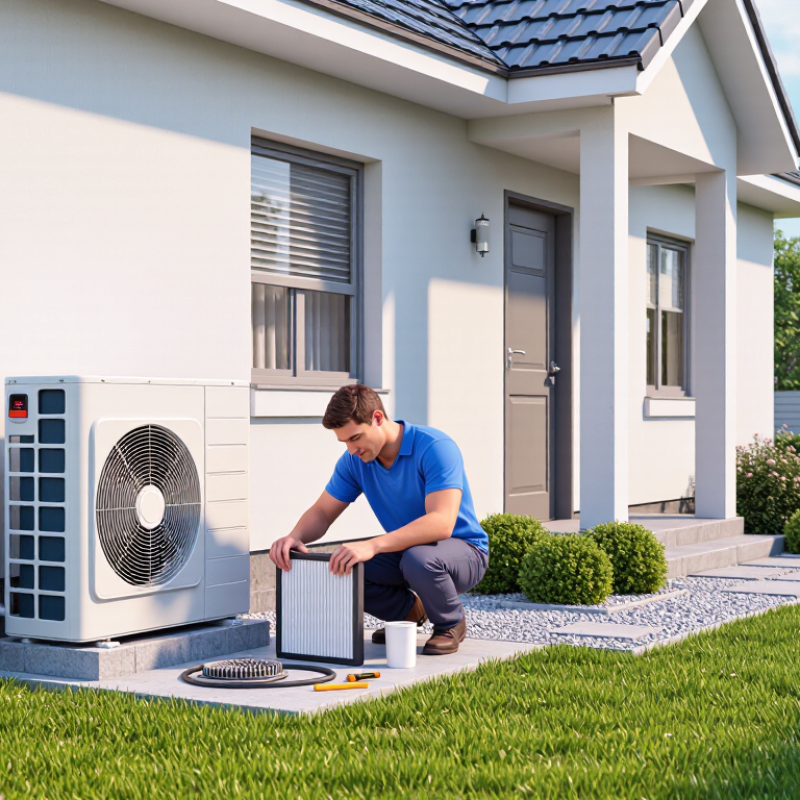
A clean outdoor condenser can move heat away from your home more effectively during hot weather. Before cleaning, switch off power to the unit at the disconnect or breaker. Remove dry leaves, grass clippings, and loose twigs from around the cabinet. Keep plants trimmed back, and leave roughly two feet of open space where the equipment manual recommends it. Air needs room to flow. Small details matter.
Tips: Gently rinse the coil from the outside with a garden hose, using low pressure. Avoid bending the thin metal fins or spraying electrical components. Never use a pressure washer. If the fins look badly bent or the cabinet is difficult to open, contact a qualified HVAC technician instead of forcing it.
Check the area again after mowing or a windy day, when debris can collect quickly. I used to think clearing the top was enough; it isn’t always. Keep leaves and mulch away from the base, but don’t block the unit’s drainage. A flashlight can help you spot packed grass between the coil fins. If airflow still seems weak after cleaning, or the system makes a new rattling sound, stop and arrange a professional inspection. Don’t guess at internal repairs.
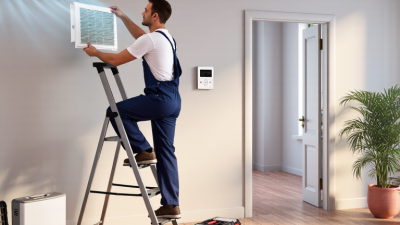
During a summer AC tune-up, check every supply vent and return grille, not just the ones in busy rooms. Make sure curtains, rugs, storage bins, and furniture do not block airflow. Even a sofa pushed close to a return can restrict circulation and leave a room feeling stuffy.
Look closely. Dust, pet hair, and lint can collect on grille slats and reduce open space. Turn the system off before wiping vent surfaces with a dry or slightly damp cloth. Keep the area around return grilles clear, too; these openings draw warm indoor air back toward the cooling system. Never push tools deep into ductwork during routine cleaning.
Pay attention to uneven cooling. A bedroom that stays warm while the hallway feels chilly may have a blocked vent, a closed damper, or another airflow issue. Check that adjustable vents are open, but avoid closing many vents to force more air elsewhere. That can strain the system. I still find it easy to overlook a vent hidden behind a door. If airflow remains weak after clearing visible obstructions, note which rooms are affected and ask a qualified HVAC technician to inspect the system.
| Tip | What to Do | Why It Helps | Suggested Timing | Quick Check |
|---|---|---|---|---|
| 1 | Inspect supply vents and return grilles. Remove dust and make sure furniture, curtains, rugs, and other items are not blocking airflow. | Clear air paths help conditioned air circulate through rooms and allow the system to draw air back through its return grille. | At the start of summer and whenever room layouts change. | Confirm each grille is visibly unobstructed; clean it gently with a vacuum brush or a damp cloth. |
| 2 | Check the air filter and replace or clean it according to the equipment and filter instructions. | A heavily loaded filter can restrict airflow and make the system work harder. Filter needs vary with the home, filter type, pets, and dust levels. | Check monthly during periods of frequent cooling; follow the manufacturer’s replacement guidance. | Hold the filter up to a light or inspect it for visible dust buildup. Turn the system off before changing it if instructed. |
| 3 | Keep interior doors open where practical, especially in rooms with supply vents but no return grille. | Open pathways can help air move between rooms and back toward the system’s return, reducing pressure imbalances. | During cooling, especially if rooms feel stuffy or airflow seems uneven. | Notice whether closing a door makes the room feel more stuffy or changes airflow at the doorway. |
| 4 | Check that the thermostat is not in direct sunlight, near a heat-producing appliance, or directly in the path of a supply vent. | Heat or cold blowing directly onto the thermostat can affect its temperature reading and cause the system to cycle differently than intended. | Once before the cooling season and after moving nearby furniture or appliances. | Make sure the thermostat is unobstructed and located away from direct heat sources and drafts where possible. |
| 5 | Inspect the outdoor unit and clear leaves, grass clippings, and other debris from around it. Do not bend the delicate fins. | The outdoor unit needs space to release heat. Debris or restricted clearance can interfere with airflow. | Check periodically during the cooling season, particularly after yard work or storms. | Keep plants, stored items, and debris away from the unit; follow the equipment manual for required clearance. |
| 6 | Use blinds or curtains to reduce strong afternoon sun, and limit heat-producing activities during the hottest part of the day when convenient. | Reducing indoor heat gain can ease the cooling load and help rooms stay more comfortable. | On sunny, hot days, especially on windows that receive direct afternoon sun. | Close window coverings when sunlight hits the room; use kitchen and bathroom exhaust fans when needed. |
| 7 | Arrange a qualified technician’s inspection if cooling is weak, airflow is unusually low, the system makes new noises, or you notice water around the indoor unit. | Some issues—such as electrical faults, refrigerant problems, or drainage concerns—require professional diagnosis and repair. | Before peak summer if service is due, or promptly when a problem appears. | Note the symptoms and when they occur. Do not open sealed equipment panels or handle refrigerant lines. |
On a hot afternoon, set the thermostat as high as feels comfortable. Around 78°F (26°C) is a practical starting point when people are home. Your best setting may differ. Humidity, direct sunlight, cooking, and activity can all affect comfort. I’d treat the number as a trial, not a rule. Check how the room feels after an hour, then adjust by a degree if needed. A small thermometer placed away from windows can help you compare rooms.
When the house is empty, raise the setting rather than cooling unused rooms. The U.S. Department of Energy’s Energy Saver guidance says adjusting a thermostat by 7–10°F for eight hours a day can save up to 10% yearly on heating and cooling costs. That is a potential saving, not a guarantee; weather and insulation matter. Ceiling fans can make people feel cooler, but switch them off when rooms are empty. Fans cool people, not rooms. Avoid setting the thermostat far below your target: it will not cool the home faster, and may keep the system running longer. At bedtime, try a modest adjustment and notice whether you sleep comfortably. Small changes matter.
This sample schedule uses 78°F during home hours and 85°F while away—a 7°F setback. Adjust the settings to suit your comfort, climate, and household routine.
A clear condensate drain line helps your air conditioner remove moisture instead of sending it onto the floor. During summer, check the area around the indoor unit for damp spots, musty odors, or a slow drip. Small clues matter. If the drain outlet is easy to reach, look for visible blockage or standing water. Follow your system’s instructions before cleaning, and never force a tool into the pipe. A household wet vacuum may help clear an accessible outlet, but avoid pouring harsh chemicals into the line; they can damage components. I sometimes overlook this simple check, and that is exactly why a calendar reminder helps.
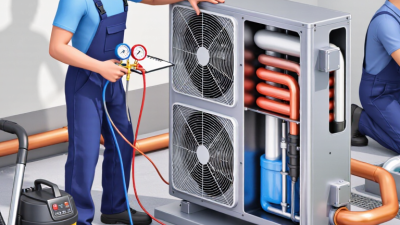
Arrange professional maintenance before the hottest weeks, when appointment times may be limited. A qualified technician can inspect the drain, clean accessible coils, check electrical connections, and measure airflow. They can also identify refrigerant problems that homeowners should not try to repair. Leave sealed systems alone. Before the visit, note unusual sounds, rooms that stay warm, or water that returns after cleaning. These details give the technician a useful starting point. Maintenance cannot prevent every breakdown, and it may not fix an aging system. Still, a careful inspection can catch small issues before they interrupt a humid afternoon.