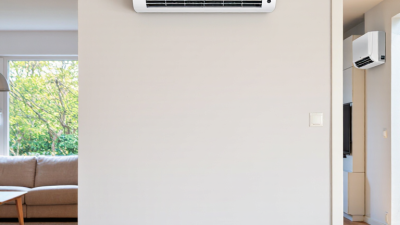
Choosing a heating system is rarely just a matter of comparing prices. A ductless heating system can suit a renovated home, a compact apartment, or a room without existing air ducts. It delivers heat directly through indoor units, avoiding the need for extensive ductwork. That can simplify installation, though the final result depends on careful system sizing and placement.
This guide reviews seven options for buyers in different regions. It considers heating performance, energy-efficiency information, available capacities, controls, warranty coverage, and access to local service. A product’s published specifications are useful, but they do not guarantee the same performance in every home. Cold-weather ratings, local electrical requirements, installer expertise, and spare-parts availability all deserve attention. Details matter.
A quiet indoor unit may be welcome beside a bedroom desk, while a poorly placed unit can leave chilly corners across the room. Buyers should compare the manufacturer’s data and request a professional heat-loss assessment before choosing a model. Regional product versions may differ, so verify specifications with the local supplier. The “best” choice is not universal. A ranking can still overlook a buyer’s climate or service constraints, and that is worth remembering. The following comparison offers a practical starting point, not a substitute for checking the needs of your home.
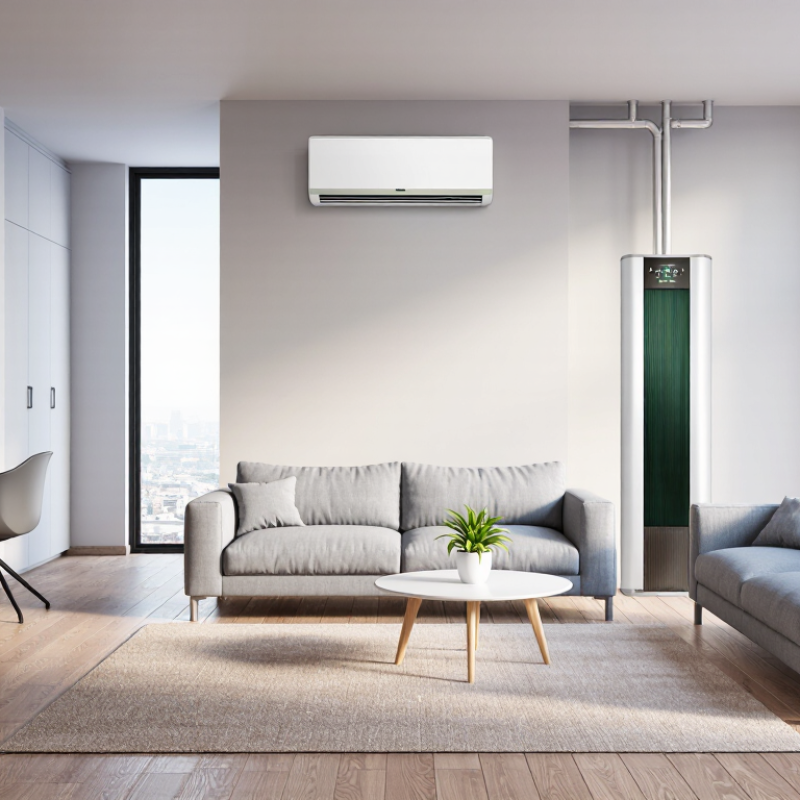
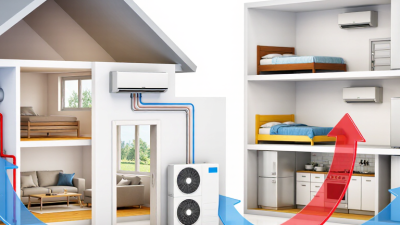
A ductless heating system moves heat rather than creating it directly. In heating mode, an outdoor unit gathers heat from the air, even when the air feels cold. Refrigerant carries that heat indoors, where a coil warms the room. The cycle reverses for cooling. No ducts are needed.
Each indoor unit serves a particular room or zone. A small remote or wall control lets occupants adjust that area’s temperature. Many systems vary compressor speed to match demand, instead of switching fully on and off. That can help maintain steadier comfort. Not magic. The unit still needs electricity, and performance depends on outdoor temperature and correct sizing.
Placement matters more than many buyers expect. An indoor unit above a doorway may not spread warmth evenly around furniture or into a closed hallway. In cold weather, some systems briefly enter defrost mode, which can interrupt heat delivery. A room can feel cooler during that interval. Installers should assess room size, insulation, climate, and electrical capacity before recommending equipment. Even then, comfort is somewhat personal; a temperature setting that feels right in one room may not suit the next.
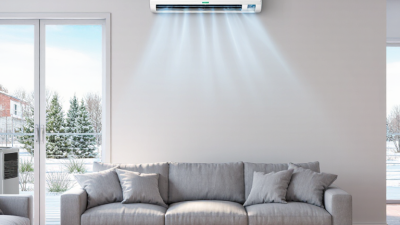
A ductless heat pump uses electricity to move heat from outdoors into a home. For each 1 kWh of electricity, the examples show 1, 2, or 3 kWh of heat drawn from outdoor air, delivering 2, 3, or 4 kWh of heat indoors. These are illustrative energy balances, not performance ratings for specific systems; actual efficiency varies with equipment and outdoor conditions.
7 Best Ductless Heating Systems for Global Buyers?
Key Criteria for Comparing Systems Across Global Markets
Comparing ductless heating systems across markets means looking beyond headline efficiency. Check the rated heating capacity at the outdoor temperatures your site actually faces; a unit sized for a mild coastal winter may struggle in a highland freeze. The International Energy Agency’s 2022 report, The Future of Heat Pumps, says heat pumps can deliver three to five units of heat per unit of electricity. That is a useful benchmark, not a guarantee for every system or climate. Seasonal performance ratings, tested operating limits, and local test standards matter.
Electrical supply, installation conditions, and service access can change the real value of a system. Confirm that the equipment matches local voltage and frequency, and ask whether technicians can source compatible parts. Compare refrigerant type and charge information using current manufacturer documentation; rules and availability vary by market. Also check published sound levels, indoor-unit options, and warranty terms. A quiet rating measured under one test condition may not reflect a small bedroom at night. I would not rank systems by efficiency alone; that comparison can miss costly site constraints.
Tips: Request performance data at several outdoor temperatures, not just one rating point. Ask for a written estimate of installed capacity, electrical work, and routine maintenance. Keep the comparison imperfect but honest: climate, workmanship, and electricity prices can shift operating costs substantially.
This shortlist compares common ductless air-to-air heat-pump configurations by use case, installation needs, and purchasing considerations. The options are not a universal performance ranking: suitability depends on the building, climate, local electricity supply, and available service.
| System Configuration | Best-Fit Application | Typical Indoor Unit | Key Advantages | Trade-Offs and Design Checks | Global Buying Criteria |
|---|---|---|---|---|---|
| 1. Single-zone wall-mounted heat pump | One room, open-plan area, or small dwelling with a relatively simple heating layout. | One indoor wall unit connected to one outdoor unit. | Simple zoning, comparatively straightforward installation, and independent room-temperature control. | One unit may not distribute heat evenly through several enclosed rooms. Correct capacity selection and indoor-unit placement matter. | Confirm the local voltage, frequency, electrical protection requirements, refrigerant rules, and access to qualified installers and replacement parts. |
| 2. Multi-zone wall-mounted multi-split | Several rooms that need separate temperature settings but cannot or do not use a ducted system. | Multiple wall units connected to one outdoor unit. | Provides room-by-room control and can reduce the number of outdoor units compared with separate single-zone installations. | Indoor units share the outdoor unit’s available capacity. Simultaneous room demand, pipe lengths, and permitted combinations must be checked in the equipment design tables. | Check maximum connected capacity, allowable piping and elevation, simultaneous heating performance, and the local availability of multi-split parts and service. |
| 3. Cold-climate single-zone heat pump | A principal heating area in a region with low winter outdoor temperatures. | Usually one wall-mounted indoor unit paired with an outdoor unit designed for low-ambient heating. | Models designed for colder conditions may maintain useful heating output at lower outdoor temperatures than standard models. | “Cold-climate” does not specify one universal temperature limit. Available capacity, efficiency, and defrost behavior vary by model and outdoor temperature. | Compare certified heating capacity at the local winter design temperature—not only nominal capacity—and verify operating limits, defrost performance, and any backup-heat requirement. |
| 4. Ceiling-cassette heat pump | Open rooms, commercial spaces, or areas where wall space is limited and a suitable ceiling cavity is available. | A recessed ceiling unit, commonly designed to distribute air in more than one direction. | Leaves most wall space clear and can provide broad air distribution in open areas. | Requires adequate ceiling depth, structural support, condensate drainage, and access for cleaning and maintenance. Air distribution can be poor if beams or partitions obstruct flow. | Confirm ceiling construction, drainage and pump requirements, maintenance access, and whether the local market supports the required indoor-unit format. |
| 5. Floor-mounted console heat pump | Rooms with limited upper-wall space, low sill heights, or a preference for a unit positioned near floor level. | A compact indoor console mounted low on a wall or near floor level. | Can suit rooms where high-wall mounting is impractical; the low-level airflow may be useful for heating occupied areas. | Furniture, curtains, and floor-level obstructions can restrict airflow. The unit needs clearances and accessible filters. | Check the manufacturer’s required clearances, the room’s furniture layout, and local availability of the console format and compatible controls. |
| 6. Ceiling-suspended heat pump | Large rooms or spaces where a ceiling-mounted unit is practical but a recessed cassette is not. | An exposed unit suspended from the ceiling. | Avoids the need for a full ceiling cavity and can serve open areas where wall-mounted units are unsuitable. | Requires suitable structural support and careful airflow planning. The unit is visible and may be less appropriate for low ceilings or noise-sensitive spaces. | Verify mounting clearances, structural requirements, sound data, airflow reach, and local installer experience with this unit style. |
| 7. Multi-zone mixed-indoor-unit system | Buildings with rooms that have different layouts or installation constraints. | One outdoor multi-split system connected to a permitted mix of wall, floor, cassette, or suspended indoor units. | Allows indoor-unit styles to be matched to individual rooms while keeping the system centrally coordinated. | Not every combination is compatible. The total connected capacity, operating modes, pipework, controls, and simultaneous demand must comply with the manufacturer’s design data. | Obtain a written combination schedule and room-by-room load calculation. Confirm that the exact configuration is approved and serviceable in the destination market. |
Comparison note: Heating efficiency and capacity figures are meaningful only when the rating method and test conditions are comparable. Depending on the market, buyers may encounter different national or regional rating systems; compare like-for-like certified data and request performance at relevant outdoor temperatures. A qualified local professional should size the system using the building’s heating load, rather than room area alone.
The best ductless setup depends on room size, winter lows, and how many spaces need heat. A single-zone wall-mounted unit suits a bedroom or addition. Multi-zone systems serve several rooms, but long refrigerant lines and uneven sun exposure can complicate balancing. Cold-climate inverter models are designed to retain heating capacity in low temperatures; check published capacity tables, not just minimum operating temperature.
Floor consoles can warm a chilly room near ground level, while ceiling cassettes distribute air across open spaces. Ceiling-suspended units help where wall space is scarce. A ductless heat pump paired with electric backup may suit homes facing severe cold snaps. That is not always the neatest answer: backup use can raise bills, and a poor installation can undermine an efficient unit.
Performance figures need context. The U.S. Department of Energy says heat pumps can cut electricity use for heating by about 50% compared with electric resistance heating. The International Energy Agency’s 2022 report, The Future of Heat Pumps, estimates emissions reductions of at least 20% versus gas boilers, rising to 80% where electricity is cleaner. These are broad comparisons, not household guarantees. Ask for a room-by-room load calculation, low-temperature performance data, and a clear estimate of backup-heat use. Fit matters more.
A ductless heating system that performs well in one region may struggle in another. Climate matters: buyers in mild coastal areas may need less heating capacity than households facing long, freezing winters. Check the system’s low-temperature performance, not just its advertised efficiency rating. In cold regions, output can fall as outdoor temperatures drop. That detail is easy to miss.
Electrical supply and installation conditions also vary. Confirm that the unit matches local voltage, wiring, and available wall space before comparing prices. A qualified local installer can assess insulation, room layout, and outdoor-unit placement. These checks may prevent costly changes later. They are not glamorous, but they matter.
Energy efficiency is only part of the operating-cost picture. Compare seasonal efficiency figures relevant to your climate, then estimate yearly use with local electricity rates and expected heating hours. A high-efficiency model may cost more upfront, while lower bills depend on how well the home retains heat. Dusty filters, blocked airflow, and neglected maintenance can also reduce performance. Real costs are rarely as tidy as a calculator suggests. For a fair comparison, request an itemized quote covering equipment, installation, and routine service, then check whether replacement parts are readily available nearby.
A ductless system’s real performance starts with the site survey. A contractor should calculate room-by-room heating loads, check insulation, and plan indoor-unit locations before drilling. Poor placement can leave a cold corner or blow air across a bed. Measure twice. The U.S. Department of Energy says heat pumps can use about 50% less electricity for heating than electric resistance systems. That benchmark is useful, but actual savings depend on climate, electricity prices, and installation quality.
Maintenance is simple, but not optional. Check filters monthly during heavy use, and clear leaves or snow from the outdoor coil. A yearly service visit can catch blocked condensate drains, loose electrical connections, or damaged refrigerant lines. Small details matter. Keep records of filter changes and repairs; they help reveal recurring faults, though busy households may forget.
Long-term ownership also depends on local technician access, replacement-part availability, and the system’s cold-weather rating. The International Energy Agency’s 2022 report estimates heat pumps can be three to five times more energy-efficient than gas boilers, but this is a broad technology comparison, not a guarantee for every ductless unit. Ask for the model’s tested performance at expected outdoor temperatures. A tidy installation can still disappoint if the home’s insulation is poor—a detail buyers sometimes underestimate.